Columbus homes built before 1950 in German Village and Victorian Village often have plaster walls and lathe that trap moisture far longer than modern drywall. When a pipe bursts during a January freeze, water migrates behind baseboards and into the subfloor, creating hidden pockets that standard fans miss. Technicians must open walls at the base and use moisture meters on multiple layers to prevent recurring mold weeks later.
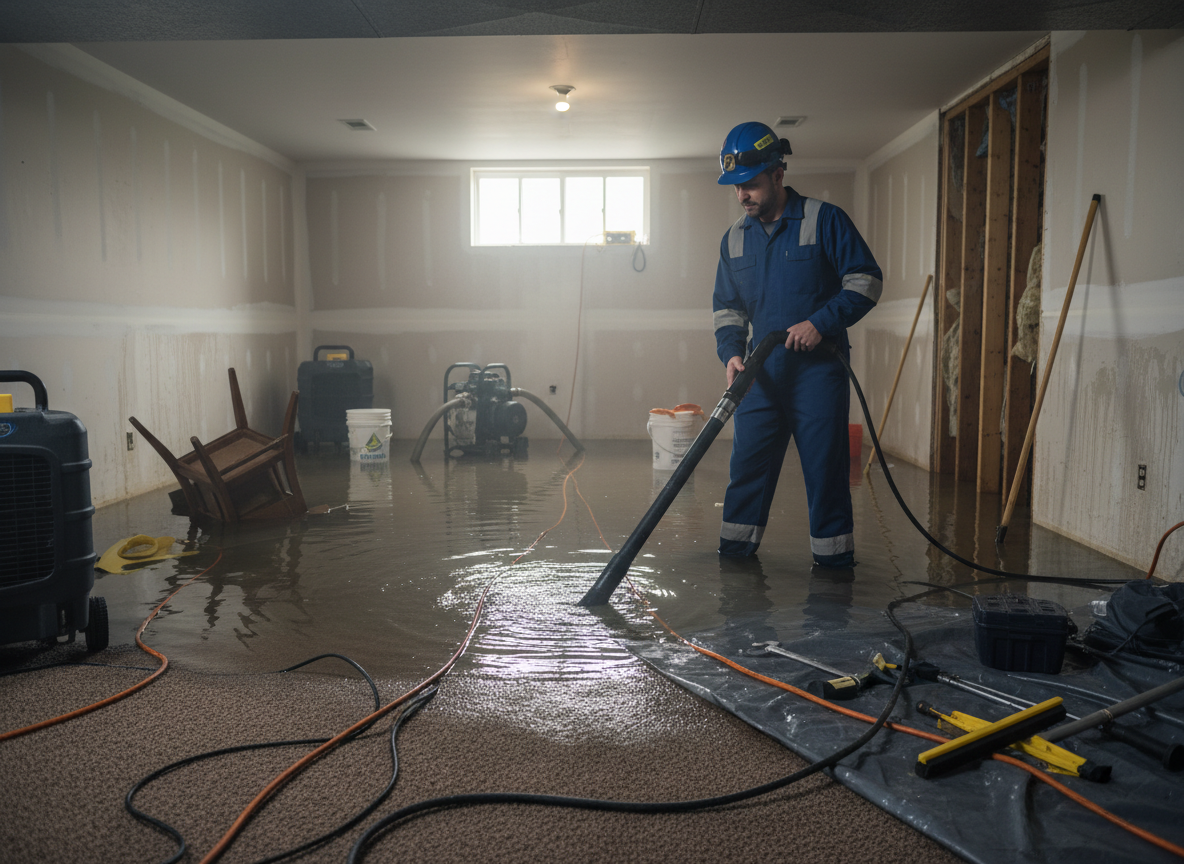
Franklin County’s humid continental climate brings heavy spring rains and sudden summer downpours that overwhelm older storm sewers in Franklinton and the Hilltop. Basements with stone foundations absorb water through mortar joints, and the clay-heavy soil holds it against the walls. Extraction crews use submersible pumps rated for silt-laden water and follow with commercial dehumidifiers sized for the square footage and ceiling height to pull moisture before it reaches joists.
Nationwide Arena events and Ohio State football weekends increase the chance of appliance leaks in rental properties around Victorian Village and Grandview Heights when tenants are away. Quick shut-off and removal of soaked carpet padding stops odors from traveling through shared walls in these close-set blocks. Every job includes documenting affected materials so insurance adjusters see exactly what was removed versus what can be dried in place.
Nearby cities like Dayton and Cincinnati share similar winter pipe-freeze patterns, but Columbus crews also contend with aging cast-iron stacks in Clintonville and Bexley that crack under repeated freeze-thaw cycles. Restoration stops at the point where wood moisture content returns to 12-14 percent, verified with pin meters, rather than relying on calendar days.
Technician insight
In Columbus, the thing that catches most people out with Emergency Water Damage Restoration is how quickly moisture travels through the plaster and lathe in pre-war homes in German Village and Victorian Village. A small pipe leak on the second floor can saturate baseboards and subfloors two rooms away because the walls act like wicks, and winter freezes make it worse when the heat kicks on.
Burst Pipe In Bexley Two-Story
A cold snap froze a supply line on the second floor of a 1920s home. Water traveled behind plaster into the dining room ceiling and first-floor subfloor. Crews opened the base of affected walls, extracted water, and ran drying equipment for four days until moisture readings stabilized. The homeowner avoided full wall replacement and returned to normal use within a week.
Emergency Water Damage Restoration Services We Offer
✓Basement Water Extraction
Removes standing water from Columbus basements using submersible pumps suited for silt and debris common after heavy Franklin County rains.
✓Plaster Wall Drying
Opens and dries original plaster walls in German Village and Victorian Village homes without unnecessary demolition of historic finishes.
✓Carpet and Pad Removal
Extracts and disposes of saturated carpet and padding in rental units near Ohio State to prevent hidden mold growth between floors.
✓Sewage Backup Cleanup
Handles contaminated water from overloaded city sewers in low-lying Franklinton and Linden neighborhoods with full PPE protocols.
✓Attic Insulation Replacement
Removes water-soaked insulation and dries roof decks after ice dam leaks common in Bexley and Clintonville during cold snaps.
✓Emergency Board-Up
Secures doors and windows after fire department or storm damage to prevent further water entry in Short North commercial buildings.
Emergency Water Damage Restoration Cost in Columbus, OH
| Service | Typical Range | What Affects It |
|---|---|---|
| Initial Assessment And Moisture Mapping | $125–$250 | Higher when multiple floors or plaster walls are involved |
| Water Extraction Per Day | $350–$700 | Depends on volume and whether sewage is present |
| Equipment Rental (Fans And Dehumidifiers) | $150–$400 per day | Longer runs required in humid summer months |
| Carpet And Pad Removal | $200–$500 | Varies by room size and disposal fees |
Ranges are typical for Columbus, OH and confirmed with an exact written quote before any work starts.
How it works
- 1
On-Site Assessment
Technician arrives within hours, maps moisture with meters, and identifies hidden paths through plaster or subfloors typical in older Columbus stock.
- 2
Water Extraction
Pumps and wands remove standing water from basements and crawl spaces while protecting original hardwood in German Village homes.
- 3
Drying And Dehumidification
Industrial air movers and dehumidifiers run until wood and plaster reach safe moisture levels, monitored daily.
- 4
Final Verification
Pin meters confirm dryness; any remaining wet materials are documented for insurance before walls are closed.
Pricing
Most jobs start with an assessment and scale by square footage, water category, and how many days drying equipment must run.